Filter
Tags
All News

Wiring & Circuits
Home Wiring Essentials: Sizing, Safety, and Code Basics
Understanding home electrical wiring requires knowledge of wire sizing, sheathing colors, safety protocols, and box fill limits. This guide breaks down the essentials for DIYers, from selecting the correct AWG to recognizing when to call a licensed electrician.
Wiring & Circuits
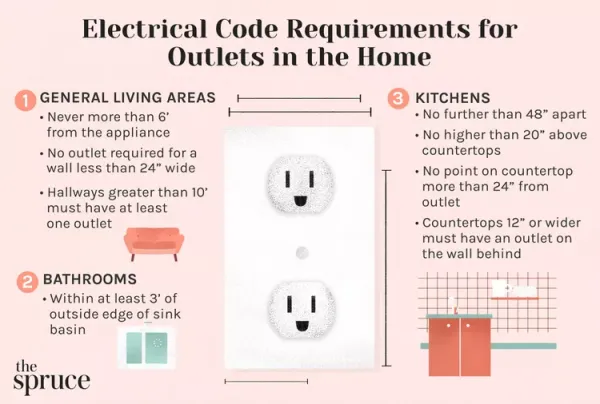
Home Outlet Rules: Spacing, GFCI, AFCI, and Safety Basics
Understanding electrical code for home outlets is key to safe wiring. This guide covers spacing rules for living areas, kitchens, and bathrooms, plus requirements for GFCI, AFCI, and tamper-resistant receptacles. Local codes may vary, so always check with your building department.
Wiring & Circuits
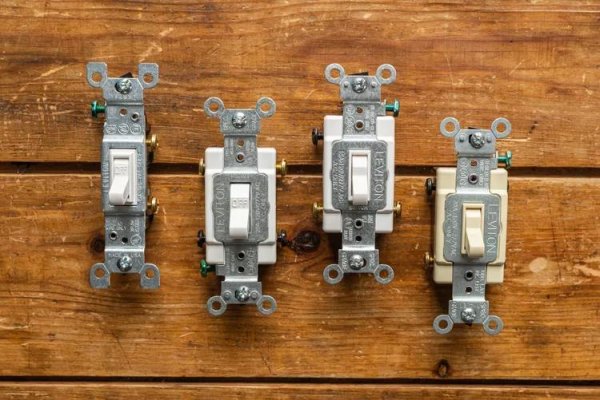
Light Switch Varieties: A Practical Guide for Homeowners
From basic single-pole to smart and motion-sensing models, light switches come in many forms, each suited to specific needs. This guide breaks down the most common types, their best uses, and key safety tips for replacement, helping you make an informed choice for your home.
Wiring & Circuits
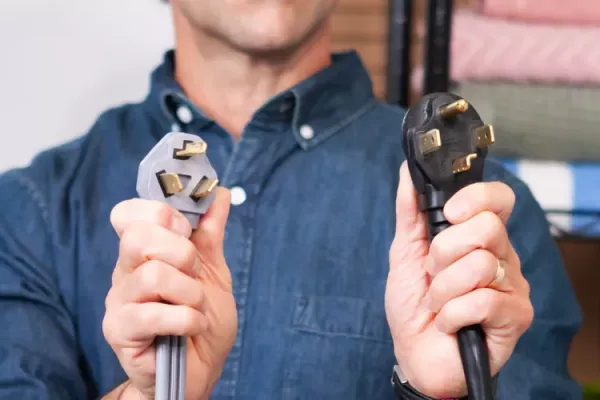
Dryer Outlet Types: 3-Slot vs 4-Slot, What Homeowners Need to Know
Choosing between a 3-slot and 4-slot dryer outlet depends on your home's age and local electrical code. This guide explains the safety differences, why the NEC changed requirements in 1996, and how to safely adapt your dryer cord or outlet.
Wiring & Circuits
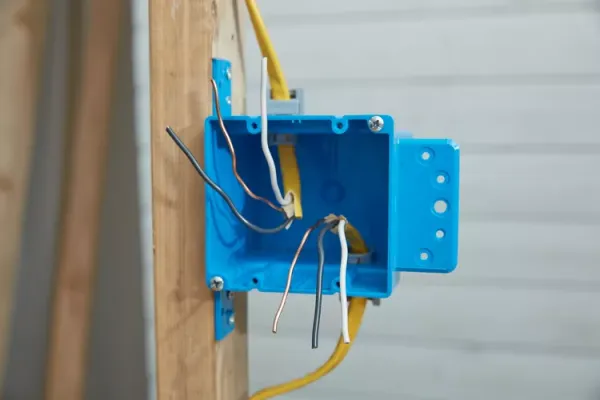
Joining Circuit Wires Safely: A Step-by-Step Guide
Learn the correct method for splicing electrical circuit wires, including the necessary materials, safety precautions, and step-by-step instructions. This guide emphasizes the importance of using approved junction boxes and connectors, and highlights common mistakes to avoid.
Wiring & Circuits
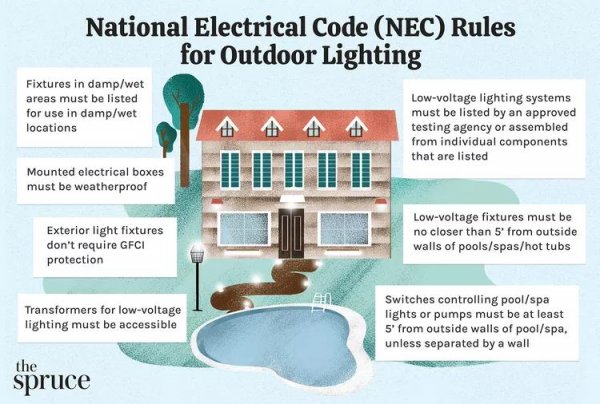
Outdoor Wiring Safety: NEC Guidelines for Homeowners and Electricians
The National Electrical Code (NEC) sets detailed requirements for outdoor wiring, covering receptacle placement, GFCI protection, lighting fixtures, and burial depths. These rules aim to prevent shock, moisture damage, and physical hazards. Homeowners and contractors must follow these standards to ensure safe and compliant installations.
Wiring & Circuits
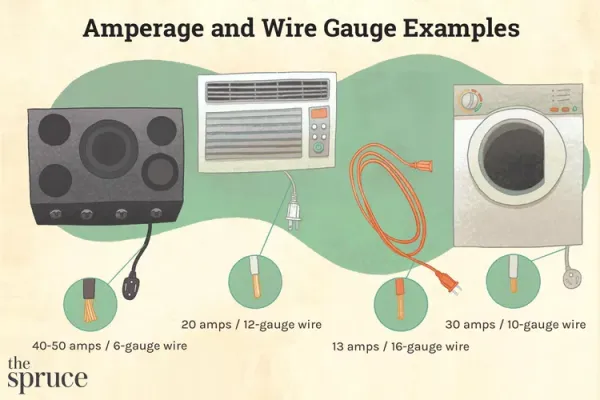
Wire Gauge and Ampacity: A Practical Guide for Safe Circuits
Selecting the correct wire gauge for a circuit's amperage is crucial to prevent overheating and fire hazards. This guide explains the American Wire Gauge system, provides ampacity charts for common wire sizes, and compares copper and aluminum wiring to help you make informed electrical decisions.
Wiring & Circuits
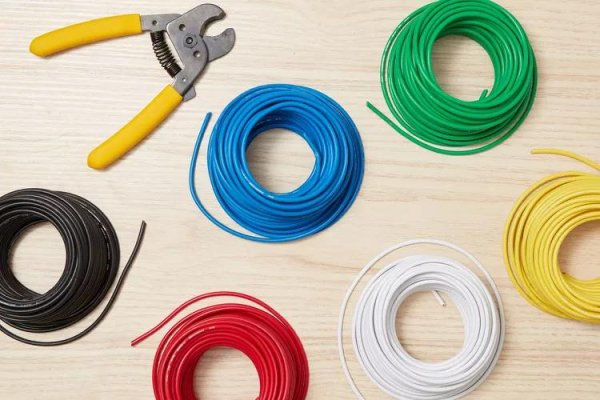
How Wire Colors Signal Electrical Safety and Function
Understanding the standardized color coding of electrical wires is crucial for safety and proper installation. The National Electrical Code mandates specific colors for neutral and ground wires, while other colors indicate hot wires. This article explains the meaning of each color and the importance of adhering to these standards.
Wiring & Circuits
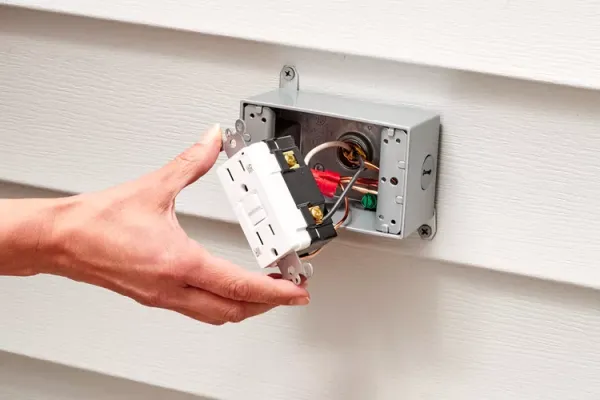
Extending Power Outdoors: Tapping an Interior Circuit for a New Weatherproof Outlet
Homeowners can add an outdoor electrical outlet by tapping into an existing interior circuit, provided the circuit has sufficient capacity and is not dedicated to specific appliances. This guide outlines the step-by-step process, including necessary materials, safety checks, and code-compliant installation of a GFCI-protected, weatherproof outlet.
Wiring & Circuits
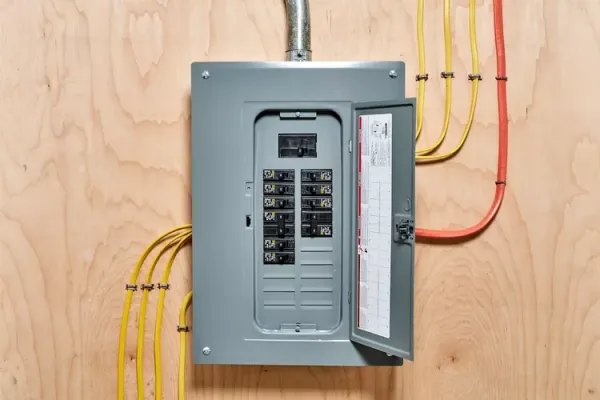
How to Determine Your Home's Electrical Load and Capacity
Learn how to calculate your home's electrical load and capacity, using amperage, voltage, and wattage formulas. Understand the 80% safety rule, typical capacities by home age, and when to call a professional electrician.
Wiring & Circuits
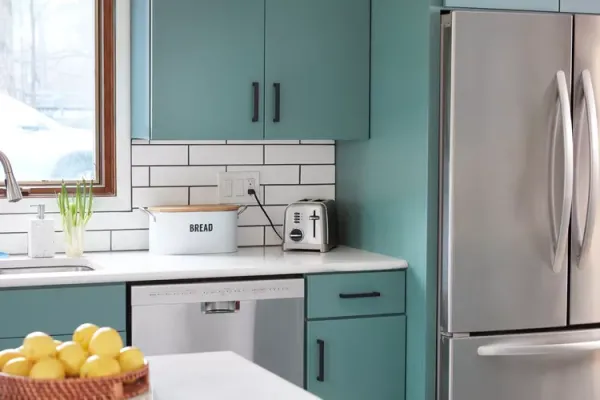
Kitchen Wiring Essentials: Dedicated Circuits and Code Rules
Modern kitchens demand far more electrical capacity than in the past, often requiring seven or more dedicated circuits. This article breaks down the specific circuit needs for refrigerators, ranges, dishwashers, disposals, microwaves, and countertop outlets, while clarifying NEC and local code variations.