Hot News
View MoreNew News
Painting

Painting
Deck Painting Pitfalls: Why Pros Advise Against It
Professional painters and contractors warn that painting a deck leads to moisture damage, peeling, and high maintenance. They recommend staining instead, which penetrates the wood and lasts longer. Learn the key reasons to avoid paint and opt for a more durable finish.

Painting
Why Washing Walls Before Painting Matters and How to Do It Right
Skipping wall cleaning before painting can lead to poor paint adhesion, yet even professionals often skip this step. This article explains when washing is essential, how to do it with soap and water or TSP, and why paint manufacturers recommend it.
Painting
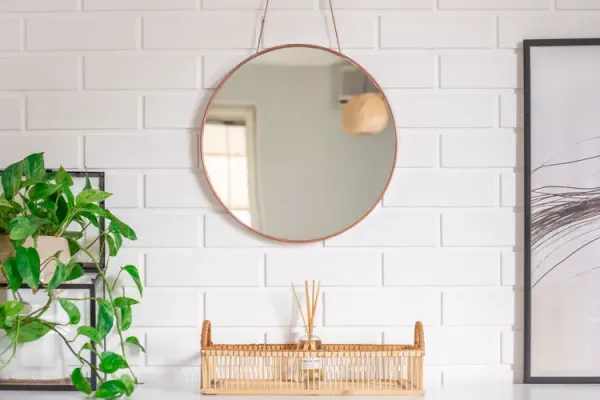
Refresh Your Mirror Frame with a Can of Spray Paint
Give an old mirror a fresh look by spray painting its frame. This beginner-friendly project takes under an hour of active work and costs about $10, with simple steps for prep, painting, and drying.

Painting
Removing Old Paint: Three Essential Tools and Safe Practices
Learn how to effectively remove peeling or blistered paint using a wire brush, a manual paint scraper, and a heat gun. This guide covers tool selection, step-by-step techniques, and crucial safety precautions, including lead paint testing and when to call a professional.
Painting
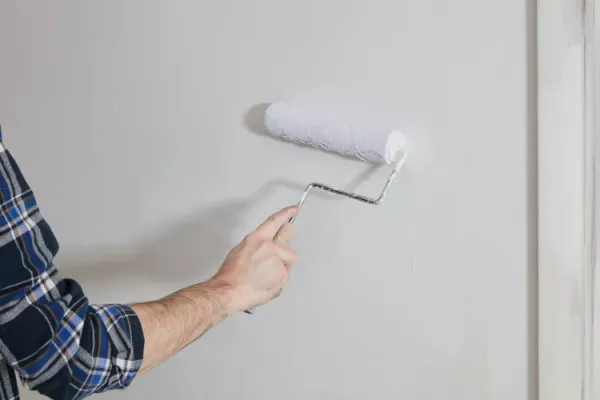
Choosing Safer Paint: VOC Levels, Costs, and Health Trade-offs
Confused by paint labels? This guide breaks down what low-VOC and no-VOC really mean, how they compare to standard paints in cost, durability, and health impact, and why even 'zero' options may not be entirely chemical-free.

Painting
Why Interior Paint Fails Outdoors: Expert Advice on Avoiding Costly Mistakes
Experts from Benjamin Moore and HGTV Home by Sherwin-Williams explain why interior paint is not suitable for outdoor use, detailing the formulation differences, potential damage, and how to correct the mistake if it happens.
Painting
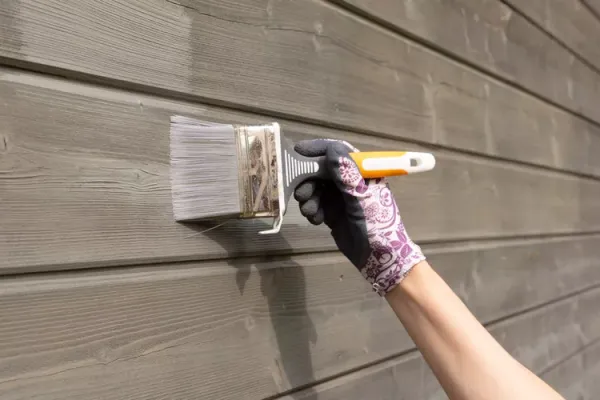
Timing Your Home's Exterior Paint Job: Expert Advice on Seasons and Weather
Painting a home's exterior requires careful timing to avoid weather-related issues. Experts recommend late spring or early fall for optimal temperature, humidity, and pollen conditions. Learn the key factors—temperature, precipitation, humidity, pollen, and time of day—that determine a successful paint job.

Painting
Safer Paint Stripping: Eco-Friendly Alternatives for Home Projects
Discover non-toxic methods for removing paint from wood, metal, and plastic, including soy-based gels, citrus-based solvents, and manual techniques. Learn about the health risks of chemical strippers and how to use safer alternatives effectively.
Painting
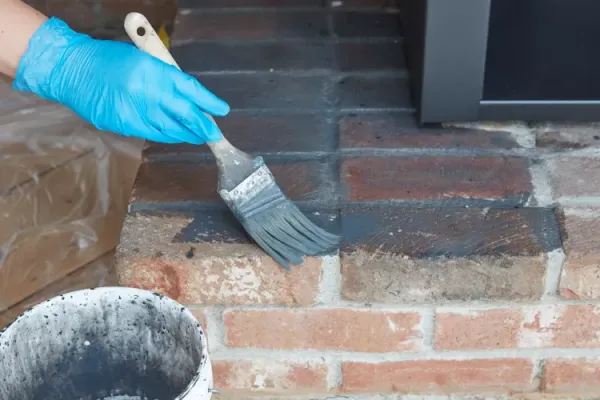
Brick Staining Guide: Refresh Surfaces Without Paint
Staining brick offers a breathable alternative to paint, preserving texture while deepening color. This guide covers preparation, application, and curing, with tips on choosing between water-based and oil-based stains for interior or exterior surfaces.

Painting
Paint Preview Tools: How to Test Colors Digitally Before You Buy
Online paint visualizers let homeowners preview full-room color changes before buying. This article compares three leading free tools from Benjamin Moore, Sherwin-Williams, and Valspar, noting their features, registration requirements, and how they align with retail availability.

Painting
Interior Designer Kate Marker's Practical Advice for Choosing Paint Without the Anxiety
Interior designer Kate Marker, author of 'The Love of Home,' shares practical strategies for selecting paint colors and finishes without feeling overwhelmed. Her advice focuses on emotional goals, undertones, and testing colors in real light to avoid decision fatigue.
Painting
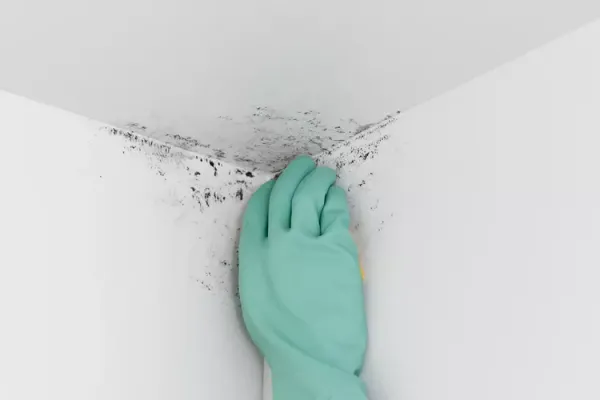
Why Painting Over Bathroom Mold Is a Costly Mistake
A tenant's attempt to conceal bathroom mold with disinfecting wipes and paint backfired, as the mold returned months later. This cautionary tale underscores the importance of proper ventilation and treatment over quick cosmetic fixes.

Painting
Fabric Painting Essentials: From Paint Selection to Heat Sealing
Learn how to personalize clothing and home textiles with fabric paint, including choosing the right paint and fabric, preparing surfaces, and heat sealing for durability. This guide covers natural and synthetic materials, acrylic versus fabric paint, and step-by-step instructions for a lasting finish.
Painting
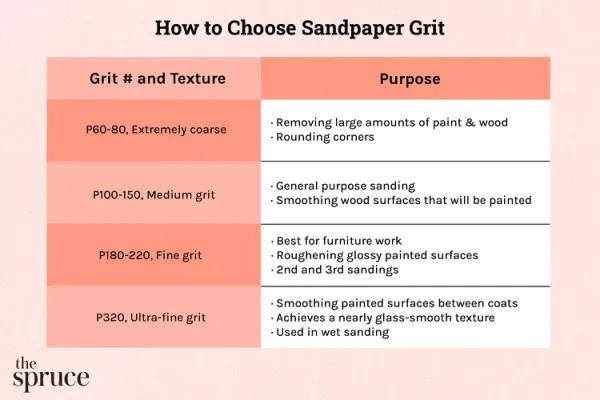
Selecting the Right Sandpaper Grit for Your Next DIY Project
Choosing the correct sandpaper grit is essential for smooth finishes on wood and metal. This guide explains grit numbers, from coarse to ultra-fine, and offers practical advice on matching grit to your project needs, including cost and where to buy.

Painting
Why Painting Over Household Mold Is a Losing Battle, Say Experts
Experts warn that painting over mold is a temporary cosmetic fix that fails to address the underlying problem. Mold can continue to grow beneath the paint, causing damage and reappearing. Proper remediation involves stopping the moisture source, removing the mold, and then painting with suitable products.

Painting
Mastering Painter's Tape Removal for Flawless Edges
Learn the optimal timing and technique for removing painter's tape to achieve crisp paint lines. Discover why waiting for paint to dry is crucial, how to pull tape at the right angle, and when to use a blade for best results.

Painting
Tray Ceiling Color Strategies: 15 Designer-Backed Approaches
Interior designers share 15 distinct approaches to painting tray ceilings, from neutral whites that let architectural details stand out to bold dark hues that add depth. The guidance includes practical tips on color placement, lighting integration, and coordinating with existing elements like wood beams or fireplaces.

Painting
Restoring Flawless Walls: A Homeowner's Guide to Fixing Paint Chips
Chipped paint can be an eyesore and a precursor to further damage. This guide outlines a step-by-step method for filling, sanding, and priming small chips to achieve a smooth, seamless finish, with advice on choosing the right filler and addressing safety concerns like lead paint.
Want to Discover More?
Explore practical AI guides, software recommendations, comparisons and how-to resources from Hozaki.
Bedding

After months of home testing, 73 duvet covers were evaluated for comfort, durability, and ease of use. West Elm's Silky Tencel cover took top honors for its buttery feel and secure fit, while budget-friendly and specialty options also earned recommendations.
Duvet Covers Put to the Test: 73 Options Reviewed for Comfort and Durability
After testing more than 50 flannel sheet sets over several years, our editors identified eight that balance softness, warmth, and durability. From budget-friendly options to extra-heavyweight picks, these sheets suit different sleepers and climates. Our top choice, the Calvin Klein Melange set, impressed with breathability and minimal pilling.
How We Picked the Top Flannel Sheets for Winter Warmth
After testing over 270 sheet sets, The Spruce identified five jersey-knit options that defy the fabric's reputation for trapping heat and pilling. From organic cotton to bamboo blends, these picks balance softness with breathability and durability, offering hot sleepers a comfortable night's rest.
Jersey Sheets That Beat the Heat: 5 Tested Picks for Softness and Durability
After months of hands-on testing, The Spruce's editors highlight eight cotton sheet sets that balance comfort, durability, and breathability. From crisp percale to silky sateen, these picks span a range of prices and materials, including organic and Supima options, to help shoppers find their ideal fit.
Cotton Bedding Reviewed: 8 Top Sheet Sets Put to the Test
After testing more than 20 down-alternative comforters since 2023, our editors highlight the best options for various needs, from cooling to budget-friendly. The top pick, the Buffy Breeze, stands out for its breathable lyocell shell and unique stitching, while other models excel in warmth, fluffiness, and ease of care.
Down-Alternative Comforters Tested: Top Picks for Every Sleeper
A hands-on evaluation of seven bamboo sheet sets reveals which ones stand up to nightly use, washing, and the demands of hot sleepers. From budget-friendly options to premium picks, the review highlights performance in cooling, durability, and fit.
Bamboo Bedding Under Review: 7 Sets Put to the Test for Comfort and Durability
Wiring & Circuits
Understanding home electrical wiring requires knowledge of wire sizing, sheathing colors, safety protocols, and box fill limits. This guide breaks down the essentials for DIYers, from selecting the correct AWG to recognizing when to call a licensed electrician.
Home Wiring Essentials: Sizing, Safety, and Code Basics
Modern kitchens demand far more electrical capacity than in the past, often requiring seven or more dedicated circuits. This article breaks down the specific circuit needs for refrigerators, ranges, dishwashers, disposals, microwaves, and countertop outlets, while clarifying NEC and local code variations.
Kitchen Wiring Essentials: Dedicated Circuits and Code Rules
Understanding the standardized color coding of electrical wires is crucial for safety and proper installation. The National Electrical Code mandates specific colors for neutral and ground wires, while other colors indicate hot wires. This article explains the meaning of each color and the importance of adhering to these standards.
How Wire Colors Signal Electrical Safety and Function
Learn how to calculate your home's electrical load and capacity, using amperage, voltage, and wattage formulas. Understand the 80% safety rule, typical capacities by home age, and when to call a professional electrician.
How to Determine Your Home's Electrical Load and Capacity
The National Electrical Code (NEC) sets detailed requirements for outdoor wiring, covering receptacle placement, GFCI protection, lighting fixtures, and burial depths. These rules aim to prevent shock, moisture damage, and physical hazards. Homeowners and contractors must follow these standards to ensure safe and compliant installations.
Outdoor Wiring Safety: NEC Guidelines for Homeowners and Electricians
Homeowners can add an outdoor electrical outlet by tapping into an existing interior circuit, provided the circuit has sufficient capacity and is not dedicated to specific appliances. This guide outlines the step-by-step process, including necessary materials, safety checks, and code-compliant installation of a GFCI-protected, weatherproof outlet.
Extending Power Outdoors: Tapping an Interior Circuit for a New Weatherproof Outlet
Understanding electrical code for home outlets is key to safe wiring. This guide covers spacing rules for living areas, kitchens, and bathrooms, plus requirements for GFCI, AFCI, and tamper-resistant receptacles. Local codes may vary, so always check with your building department.
Home Outlet Rules: Spacing, GFCI, AFCI, and Safety Basics
Learn the correct method for splicing electrical circuit wires, including the necessary materials, safety precautions, and step-by-step instructions. This guide emphasizes the importance of using approved junction boxes and connectors, and highlights common mistakes to avoid.
Joining Circuit Wires Safely: A Step-by-Step Guide
Selecting the correct wire gauge for a circuit's amperage is crucial to prevent overheating and fire hazards. This guide explains the American Wire Gauge system, provides ampacity charts for common wire sizes, and compares copper and aluminum wiring to help you make informed electrical decisions.
Wire Gauge and Ampacity: A Practical Guide for Safe Circuits
Choosing between a 3-slot and 4-slot dryer outlet depends on your home's age and local electrical code. This guide explains the safety differences, why the NEC changed requirements in 1996, and how to safely adapt your dryer cord or outlet.
Dryer Outlet Types: 3-Slot vs 4-Slot, What Homeowners Need to Know
From basic single-pole to smart and motion-sensing models, light switches come in many forms, each suited to specific needs. This guide breaks down the most common types, their best uses, and key safety tips for replacement, helping you make an informed choice for your home.