Before adding a new dishwasher, electric dryer, or heat pump, homeowners should verify their electrical system can handle the extra demand. An overloaded circuit can trip breakers or, in severe cases, spark a fire. The key is understanding your home's electrical capacity—measured in amperage—and comparing it to the actual load your appliances draw.
Electrical capacity is the maximum current a circuit, panel, or generator can safely deliver. It's expressed in amps. For example, older homes with knob-and-tube wiring and screw-in fuses typically have a 30-amp service. Homes from the 1950s and 1960s often have 60 amps, while those built between 1960 and 1980 usually have 100 amps. Most residences constructed after 1980 feature at least 200 amps, and newer large homes—10,000 square feet or more—can have 400 to 800 amps.
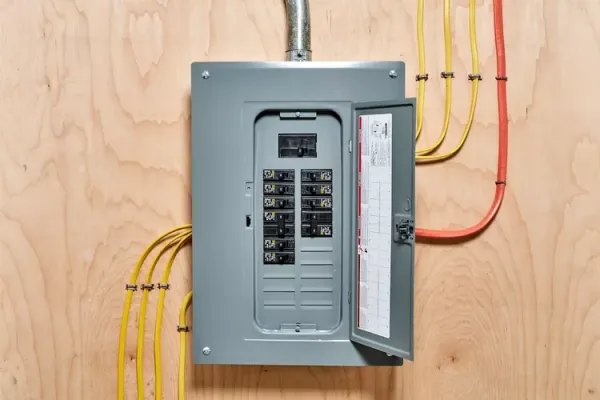
The main service panel, usually a metal box in the basement, utility room, or garage, receives power from outside lines and distributes it to branch circuits. It contains a main breaker that shuts off power automatically during an overload. While everyday items like phone chargers and lamps have minimal impact, larger appliances—laundry machines, heaters, and ovens—can push a system to its limits.
Capacity vs. Load: What's the Difference?
Capacity is what your home can support; load is what you actually use. To stay safe, your load should never exceed 80% of capacity. If it regularly does, an upgrade may be necessary. For instance, a 20-amp, 120-volt branch circuit has a total capacity of 2,400 watts (20 x 120), but with the 80% rule, you should limit it to 1,920 watts. Similarly, a 100-amp, 240-volt service can handle 24,000 watts, but only 19,200 watts at 80%.
How to Calculate Your Home's Electrical Load
To estimate your total load, add the wattage ratings of all lighting circuits, outlets, and permanent appliances. Then subtract 10,000, multiply by 0.4, add 10,000 back, and divide by 240 to get the amperage needed. For example, a typical 1,500-square-foot home with a 200-amp panel has a usable capacity of 38,400 watts (200 x 240 x 0.8).
Here are sample loads for a 1,500-square-foot home: lighting at 3 watts per square foot (4,500W), heat pump (5,500W), air conditioner (3,000W), microwave (1,000W), dishwasher (1,800W), stove per burner (1,500W), oven (4,000W), laundry circuit (3,500W), and each outlet (2,400W). Remember, you don't run everything simultaneously—only factor in one major appliance at a time, like the heater or AC, not both.
Where to Find Appliance Wattage
Most appliances have a metal nameplate on the back or bottom listing wattage, or amps and volts. If only amps and volts are given, multiply them to get watts. This information is crucial for accurate calculations.
When to Call a Professional
While you can do the math yourself, it's wise to consult a licensed electrician if you're unsure about your home's age or panel capacity. They can inspect the panel and confirm the amperage. Professionals are also necessary for upgrades, such as installing a tankless water heater, preparing for an electric vehicle, or adding high-powered equipment like pottery or welding tools.
Understanding your electrical system's limits helps you plan upgrades safely and avoid costly or dangerous overloads. Always err on the side of caution and seek expert advice when in doubt.
Comments 0