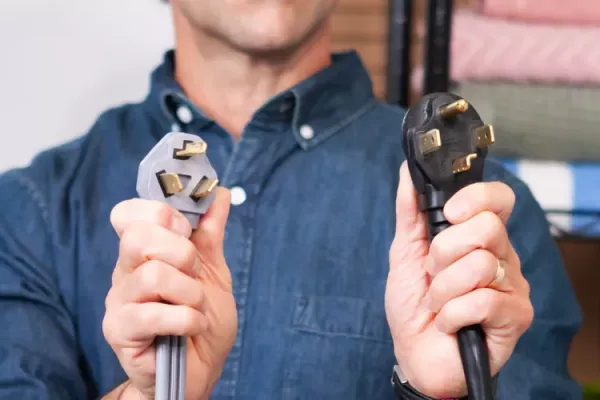
For homes with electric dryers, the type of outlet behind the appliance is more than a minor detail—it's a matter of electrical safety and code compliance. While newer homes are built with four-slot receptacles, many older houses still rely on three-slot outlets, creating a common dilemma for homeowners and renters alike. The core difference lies in how the grounding and neutral pathways are handled, a distinction that has evolved over decades of electrical standards.
Electric dryers operate on 240 volts, a power level that demands a dedicated, heavy-duty outlet. Before 1996, the standard configuration was a three-prong plug and a three-slot outlet, which combined the neutral and grounding functions into a single wire. This design, while functional, carried a small but real risk of electric shock under certain fault conditions. In 1996, the National Electrical Code (NEC) mandated that all new installations use a four-slot outlet, which separates the neutral and grounding pathways, significantly reducing shock hazards.
According to the U.S. Department of Energy's Sandia National Laboratories, the 1996 NEC change was part of a broader effort to align U.S. practices with international safety standards. The new four-slot configuration includes two hot slots, a neutral slot, and a dedicated ground slot. The separate ground wire provides a direct path to earth, ensuring that any stray current is safely diverted.
Homeowners with existing three-slot outlets are not required to upgrade, as the NEC allows them to remain in service. However, any new outlet installation must follow the four-slot standard. If you have an older dryer with a three-prong cord and a new four-slot outlet, the simplest solution is to replace the cord—a straightforward task that most DIYers can handle in a few minutes.
Why the 1996 Code Change Matters
The shift from three-slot to four-slot outlets wasn't arbitrary. In a three-slot system, the ground wire doubles as the neutral, meaning it carries current during normal operation. If that wire becomes loose or damaged, the dryer's metal frame could become energized, posing a shock hazard. The four-slot system eliminates this risk by providing a dedicated ground that never carries load current, ensuring that the appliance's chassis remains at zero volts relative to the ground.
For new construction or major renovations, installing a three-slot outlet is no longer permitted. The NEC requires four-slot receptacles for all new 240V dryer circuits. This rule applies to both new homes and any remodeling project that involves rewiring.
Adapting Your Dryer: Cord vs. Outlet
When your dryer's plug doesn't match the outlet, you have two options: change the cord or change the outlet. Replacing the dryer cord is generally the safer and more cost-effective route. The process involves disconnecting the old cord, attaching the new one to the terminal block, and securing the strain relief. Most appliance owners can complete this with basic tools and a little patience.
Rewiring the outlet is a more complex job that requires a thorough understanding of electrical systems. Unless you're an experienced DIY electrician, it's wise to hire a licensed professional. Incorrect wiring can lead to short circuits, fires, or electrocution, so this is not a task to take lightly.
Gas vs. Electric Dryers: Different Power Needs
Not all dryers require a 240V outlet. Gas dryers, which generate heat by burning natural gas or propane, only need a standard 120V outlet to power the drum motor and controls. Electric dryers, on the other hand, rely on electric heating elements and require the higher voltage. When purchasing a new electric dryer, you can select a cord that matches your home's existing outlet, but always verify the voltage and slot configuration to avoid compatibility issues.
In summary, the choice between a three-slot and four-slot dryer outlet is dictated by your home's electrical infrastructure and the age of your wiring. While the four-slot design is the modern standard for safety, older three-slot outlets remain functional and legal. The key is to ensure your dryer cord matches the outlet, and to consult a professional if you're unsure about any electrical work.
Comments 0