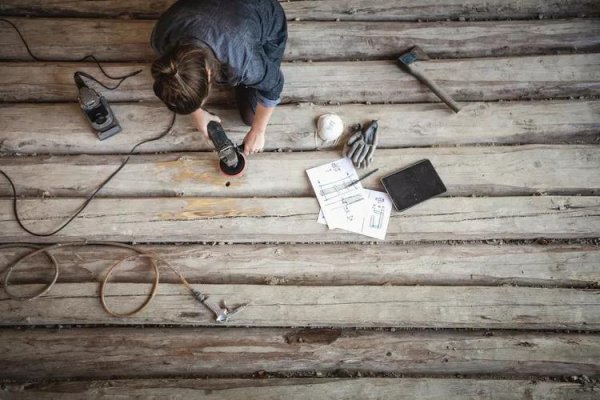
When preparing a surface for repainting, especially on exterior projects like a house, fence, or outbuilding, removing old, failing paint is a critical step. Painting over cracked, peeling, or blistered paint often leads to premature failure, as the new coat cannot adhere properly to a compromised base. The most reliable method involves using a combination of three common tools: a wire brush, a flat metal paint scraper, and a heat gun. Together, these tools can make the job less laborious and yield a more durable finish.
However, before starting any paint removal, it's essential to consider the age of the existing paint. Paint manufactured before 1978 may contain lead, and disturbing it can release hazardous chips and dust. If you suspect lead-based paint, test the area using a kit available at most hardware stores. If lead is confirmed, the U.S. Environmental Protection Agency (EPA) provides guidelines for safe removal, and in such cases, hiring a certified abatement professional is strongly advised.
Using a Wire Brush for Loose Paint
A wire brush is an inexpensive and immediate tool for tackling raised, peeling, or blistered paint. Unlike a power sander, it requires no setup time and is also useful for cleaning other tools like putty knives. However, its effectiveness is limited to paint that is already loose; moderately attached paint may not yield to brushing, and vigorous scrubbing can actually push semi-attached paint deeper into the wood grain.
To use a wire brush effectively, start by laying plastic sheeting or a drop cloth to catch the debris. Then, lightly brush the entire area to dislodge the most obvious loose flakes. For areas with prominent peeling, sweep the brush parallel to the edge of the peeling paint. Afterward, clean the brush under running water and dry it thoroughly to prevent rust.
The Classic Paint Scraper Technique
A manual paint scraper remains the classic, reliable method for paint removal. Unlike a brush, a scraper gets under the paint to lift and pull it away. Several types exist, including a 3-inch flat heavy-duty scraper for large sections, a 2.5-inch two-edge scraper with replaceable blades, and a multi-use painter's tool (often called a 5-in-1 or 8-in-1) that also serves other tasks like spreading filler or opening cans. A putty knife, with its blunt end, is also effective and less likely to gouge the surface.
For best results, use both a sharp and a blunt scraper. Hone the sharp one on a whetstone, but it doesn't need to be razor-sharp. Start with the blunt tool to lift loose paint, then switch to the sharp tool for raised edges. Be cautious with the sharp tool to avoid gouging the wood. After use, wipe the scrapers clean and dry them to prevent rust.
Heat Guns for Stubborn Paint
When paint is firmly attached, an electric heat gun rated at 1,000 watts or more can soften the paint, making it easier to remove. While heat guns are slower and require an electrical outlet, they are effective on all paint types. Some models come with scraper attachments, though using a separate manual scraper often provides better control.
To use a heat gun, set it to a low or medium setting and let it warm up for about a minute. Hold the nozzle a few inches from the surface, waving it gently for roughly 20 seconds to heat the paint. Then, using a scraper, gently press forward to peel away the softened paint. Overheating can make the paint gummy, so practice is key. Always aim the gun away from your hand to avoid burns.
For large-scale projects, such as an entire house, or if lead paint is present, it is prudent to call a professional painting or abatement company. They have the equipment and expertise to handle the job safely and efficiently.
Comments 0