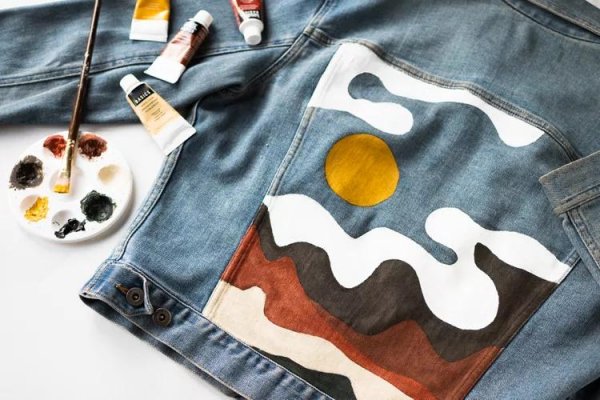
Fabric painting offers a budget-friendly way to refresh clothing, upholstery, and craft projects, with a typical cost of around $10 and a beginner-friendly skill level. The process, which takes roughly 2–3 hours of active work plus 12–20 hours for drying, allows for custom designs on everything from a tired armchair to a plain canvas tote. However, the key to a successful project lies in matching the right paint to the right fabric and following proper preparation and sealing steps.
Before starting, it's important to understand that not all paints adhere equally to all textiles. Natural fibers such as cotton, linen, and wool generally accept paint readily, making them ideal for this craft. In contrast, synthetic materials like polyester and nylon resist paint and are not recommended for fabric painting. Denim, while synthetic, can be painted successfully if it is pre-washed first.
Choosing the Right Paint for Your Project
Acrylic paint is a popular choice due to its durability and color coverage, but it requires a textile medium mixed in equal parts to prevent it from washing out. Without this additive, the water-based paint will not survive a wash cycle. For larger areas, liquid acrylic fabric paint is effective, while fabric markers offer more control for detailed work.
Commercial fabric paint is similar to acrylic but already contains a textile medium, giving it a thicker consistency that may need thinning with water depending on the desired effect. Pigments, another option, come as concentrated powders that must be mixed with a liquid like soy milk and are known for producing gradient effects. Fabric dye, on the other hand, is used in a washing machine or bucket with water and vinegar to color entire garments.
Safety is a consideration: both acrylic and fabric paints can be toxic if ingested or if they come into contact with eyes or skin. It's advised to keep paints away from children and pets, work in a well-ventilated area, and wash hands thoroughly after handling.
Step-by-Step Application for Lasting Results
Proper preparation is essential to prevent peeling and fading. The fabric should be pre-washed without fabric softeners to remove chemicals, dried, ironed, and cleaned of dust with a vacuum or lint roller. When painting a garment, tape off the sections you want to protect, and keep a wet washcloth nearby to wipe away any accidental paint on wood or metal.
Sketching your design with a pencil helps avoid mistakes when using permanent paint. Placing cardboard or thick paper underneath the fabric prevents paint from bleeding through to other layers, and securing it with pins keeps the fabric stable. When painting, start at the top and work downward to avoid smudging, applying a thin, even layer in long strokes that follow the fabric's texture. For furniture, dab paint into seams and buttons for full coverage.
After painting, allow the item to dry for at least 12 hours in a well-ventilated area, away from elements. Once dry, you can add another coat to deepen the color. The final step is heat sealing, which is crucial for acrylic and commercial fabric paints to ensure they withstand washing. This involves removing the tape, placing a cotton sheet over the painted fabric, and running a hot iron over it. Alternatively, the item can be left in hot sun or gently blown with a hair dryer.
To keep painted fabric looking fresh, hand-washing in cold water and air-drying is recommended to prevent cracks and fading. For added flair, you can mix mediums by sewing on embellishments like beads, ribbons, or embroidery. With these techniques, fabric painting becomes a simple yet effective way to personalize and extend the life of your textiles.
Comments 0