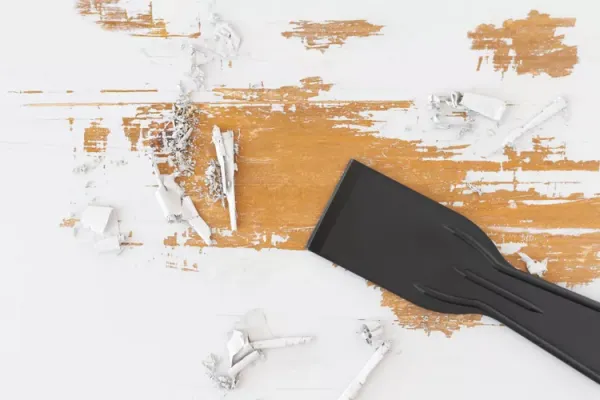
For decades, chemical paint strippers have been the go-to solution for removing old finishes, but many contain ingredients that pose serious health risks. Methylene chloride, a common solvent in these products, has been linked to respiratory, neurological, and skin damage, prompting major home improvement retailers to pull such items from their shelves. However, the chemical remains available, and other hazardous compounds like toluene, methanol, and acetone are still prevalent in many commercial strippers.
Given these concerns, homeowners and professionals are increasingly turning to less toxic alternatives. Among the most effective are bio-based gels derived from soybean oil and citrus extracts, which offer a safer way to tackle paint removal on various surfaces. These products are not only gentler on human health but also on the environment, with lower volatile organic compound (VOC) emissions and reduced flammability.
Bio-Based Gels: A Sustainable Choice
Soy-based paint removers use methyl soyate, a compound distilled from soybean oil, as their active ingredient. This solvent is biodegradable and produces minimal fumes, making it a practical option for indoor projects. Unlike harsher chemicals, soy gels can be applied with a brush and left on the surface for several hours without evaporating or dripping. The extended contact time allows the gel to penetrate the paint, making the eventual scraping easier. These gels work effectively on wood, concrete, and metal, though they require more patience than traditional strippers.
Citrus-based removers, on the other hand, rely on terpenes—organic compounds extracted from plants like oranges. Turpentine, derived from pine resin, is another example of a terpene used in this context. These removers emit a pleasant orange scent and are safe for use on any painted or varnished surface. While they are biodegradable, they still contain some chemicals that require proper disposal, so users should follow local waste guidelines.
Manual Removal: A Hands-On Approach
For those who prefer to avoid chemical agents altogether, manual paint removal is an option, though it carries its own risks—especially when dealing with lead-based paint in older homes. The U.S. Environmental Protection Agency warns that disturbing lead paint can release harmful dust, so protective gear such as masks, safety glasses, and gloves is essential.
Several manual techniques can be employed, each with its own learning curve. A plastic or metal scraper is effective for removing peeling paint, but care must be taken not to gouge the underlying surface. Heat guns can soften paint until it bubbles, making it easier to scrape, but they require steady hands to avoid scorching the material. Sanding, whether by hand or with an electric sander, demands patience and precision to prevent permanent damage to the surface.
DIY Solutions for Metal and Plastic
For small metal items like hardware, outlet covers, or cabinet knobs, a simple household mixture of baking soda and boiling water can work wonders. The heat causes the metal and paint to expand at different rates, breaking the bond between them. To use this method, fill a large pot with at least a quart of water and add a quarter-cup of baking soda. Bring the water to a boil, then carefully add the painted items with tongs, ensuring they do not overlap or touch the sides. Let them simmer for at least 15 minutes before removing them to cool on newspaper. Once cool, a stiff-bristled brush or an old toothbrush can scrub away any remaining paint. The process may need to be repeated with fresh water and baking soda for stubborn layers.
Hard plastic items, such as outlet covers, can be treated similarly, but with a shorter soaking time. After bringing the baking soda solution to a boil, remove it from the heat and add the plastic pieces for just five minutes. Then, gently scrape off the softened paint with a flexible scraper. This method minimizes the risk of melting or warping the plastic.
Regardless of the method chosen, reading labels on any commercial product is crucial. The U.S. Consumer Product Safety Commission advises consumers to be aware of active ingredients and to opt for paste formulas, which are less volatile and produce fewer fumes than liquids. Always work in a well-ventilated area and wear appropriate protective equipment to minimize exposure.
Comments 0