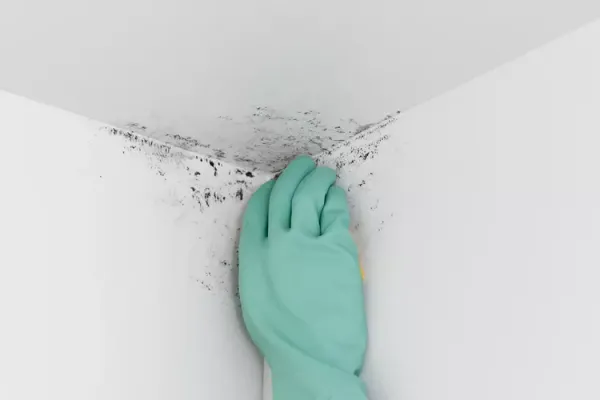
In a rental apartment with no bathroom ventilation, a tenant's attempt to clean and paint over mold on the ceiling proved futile, as the mold returned within months, causing paint to bubble. This experience highlights a common but misguided approach to mold remediation that many homeowners and renters may unknowingly repeat.
The tenant, who lived in an apartment with persistent dampness from showers, noticed black splotches appearing on the ceiling. Concerned about the worsening condition but unable to get others to address it, they decided to take matters into their own hands. Using disinfecting wipes and a ladder, they scrubbed the visible mold, then applied a fresh coat of white paint to the entire ceiling, believing the problem was solved.
At first, the bathroom appeared clean and bright, but this cosmetic fix only masked the surface issue. The underlying moisture problem remained unaddressed, and within a few months, the mold reappeared, this time accompanied by bubbling paint. The tenant realized that the mold had not only survived but had been given a fresh surface to grow on.
The Importance of Proper Mold Treatment
Health experts, including the Centers for Disease Control and Prevention (CDC), advise against painting over mold. Instead, they recommend cleaning with diluted bleach, but caution against mixing bleach with other cleaning products. The key is to address the source of moisture, such as inadequate ventilation, to prevent mold from returning.
This incident serves as a reminder that mold is a persistent problem that requires more than a quick fix. For those facing similar issues, consulting professionals or following guidelines from reputable sources like the CDC can prevent the frustration and potential health risks associated with improper mold management.
Comments 0