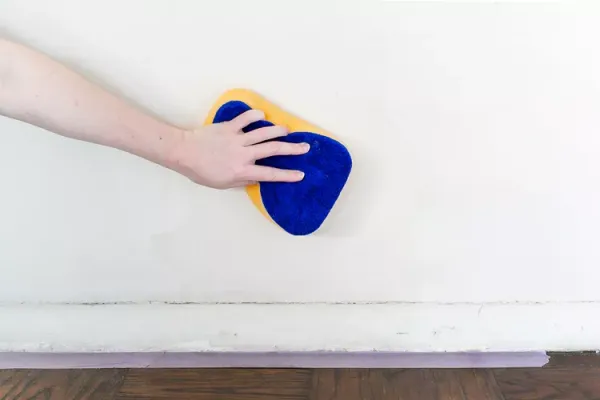
Most DIYers have been tempted to skip washing walls before painting, especially when the surfaces look clean. Yet paint manufacturers consistently stress that cleaning is a critical step for ensuring paint adheres properly and lasts. While the consequences of skipping may not show immediately, a poorly prepared wall can lead to peeling, bubbling, or uneven finish over time.
The debate over cleaning methods is not settled, even among paint companies. However, a consensus exists that warm, soapy water is a safe and effective starting point. Using a sponge and a bucket of mild detergent, you can remove dust, grime, and oils that would otherwise interfere with paint bonding.
What the Paint Companies Recommend
Each major paint brand offers its own guidance. PPG suggests simply wiping walls clean of dust and dirt. Behr advises using a mild detergent on a damp sponge for oil, grease, or wax stains, followed by a rinse and dry. Benjamin Moore recommends a sponge and warm water for most walls, with a grease-cutting detergent for kitchens. Sherwin Williams instructs using lukewarm water and mild soap, rubbing in a circular motion and rinsing with a damp cellulose sponge. Valspar, on the other hand, suggests a thorough cleaning with TSP and water, moving from top to bottom.
Despite these recommendations, many homeowners and even professional painters skip washing altogether. Pros often pole-sand flat surfaces with fine-grit sandpaper to remove loose dirt and degloss the surface, but this does not replace the need for a clean wall.
When You Might Skip Washing
There are situations where washing may be unnecessary, but only under strict conditions. The walls should have no excessive dust, no grease or crayon marks, no wood-burning fireplace, minimal hand contact, no pets, and no cooking or bathing in the room. Vertical surfaces only, meaning trim and ledges should always be washed. Rooms that might qualify include a lightly used living room, an adult bedroom, a dining room used only for dining, a home office, a well-maintained family room without a fireplace, or a powder room used only for hand-washing. Even in these cases, a quick wipe-down to remove loose dust is still advised.
How to Wash Walls Properly
For walls that are visibly dirty or dusty, a thorough washing is necessary. Start by removing dust bunnies and cobwebs with a broom. Clean the tops of door and window trim and baseboards with a lightly damp cloth to help painter's tape stick. Vacuum the floor near the walls using a bristle attachment. Then, mix a mild detergent with warm water and wipe down all surfaces with a damp sponge. Rinse immediately with clean water and a damp sponge to remove any soap residue.
For areas with heavy grease, such as kitchens, or soap scum in bathrooms, TSP (trisodium phosphate) is the recommended cleaner. TSP is an alkaline powder that dissolves oils and lightly etches glossy surfaces, improving paint adhesion. Use it on walls above heating registers, near door handles, and in rooms with crayon marks. When using TSP, mix according to the label, wash in sections about three feet square, let the solution sit for two minutes, scrub again, and rinse thoroughly. Protect wood floors with drop cloths and wear rubber gloves, as TSP is mildly caustic.
In the end, the extra time spent cleaning walls before painting is a small investment compared to the cost of repainting or fixing a failed paint job. Following the manufacturers' advice and using the right cleaning method for your wall type will set the stage for a professional-looking finish that lasts.
Comments 0