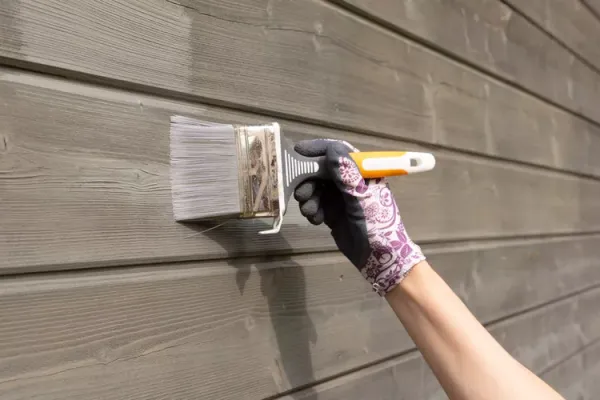
Homeowners planning to refresh their home's exterior face a critical decision: when to schedule the paint job. According to two painting industry professionals, the choice of season, temperature, and humidity can make the difference between a smooth, long-lasting finish and a blotchy, peeling mess. The consensus: aim for late spring or early fall, when conditions are mild and stable.
Ryan Parr, owner and president of Nashville Painting Professionals, points to May as a prime month. "With mild temperatures, lower humidity, and fewer weather changes it makes for a good time to paint," he says. Carr Lanphier, CEO of Improovy, a company specializing in drywall repairs and painting, adds that the ideal temperature range for exterior painting is between 50 and 70 degrees Fahrenheit, with an outer limit of 40 to 90 degrees.
Why Temperature and Moisture Matter
Painting in cold weather causes the paint to thicken, dry slowly, and adhere poorly. On the flip side, excessive heat can make paint dry too quickly, leading to blisters or bubbles. Lanphier advises monitoring the forecast to avoid rain, recommending a dry window of 24 to 48 hours. Parr echoes this, noting that "Spring can bring rain in many regions which can delay painting projects," and suggests waiting at least 24 hours after rain before starting.
Humidity is another variable. High humidity slows drying and can cause a runny, uneven finish. Parr notes that May offers a balanced humidity level, unlike the sticky summer months. For those painting in other seasons, checking the daily humidity forecast is essential.
Pollen and Time of Day
Pollen can also ruin a fresh coat of paint by sticking to the wet surface. Lanphier emphasizes the importance of a clean exterior, recommending power washing before painting. "Power washing your home’s exterior is going to help your paint adhere better to the surface," he says. Late spring and early fall typically have lower pollen counts, making them safer choices.
The time of day matters too. Lanphier suggests painting in the midday warmth for fall projects, but earlier in the morning during spring or early summer to stay within the safe temperature range. Parr warns that early spring can still bring chilly nights that slow curing, so monitoring temperatures is key.
Signs Your Home Needs a New Coat
Knowing when to repaint is just as important as how. Parr lists common indicators: paint that looks dull or washed out, peeling or cracking, a chalky residue on siding, or stains that persist after cleaning. Beyond maintenance, a fresh coat can boost curb appeal, especially when preparing to sell or updating an outdated color.
Ultimately, successful exterior painting hinges on planning around the weather. By choosing a mild, dry period and paying attention to temperature, humidity, and pollen, homeowners can achieve a durable, attractive finish that protects their property.
Comments 0