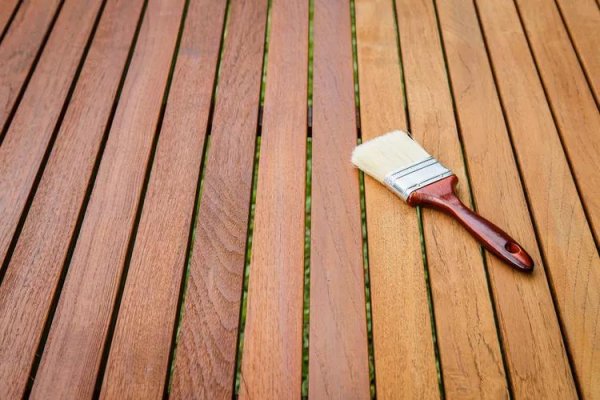
Homeowners considering a fresh coat of paint on their deck might want to think twice. Industry professionals across painting and construction unanimously advise against it, citing a host of practical and safety concerns. From moisture retention to slippery surfaces, the drawbacks are numerous, making staining a more reliable and cost-effective option.
The primary issue, according to Kelly Mardis, owner of Marcel Painting, is that decks are horizontal surfaces. Unlike vertical walls, they are prone to water pooling. Prolonged exposure to pooled water causes paint to crack over time. Doug Greene, owner and operator of Signature Properties, adds that wood species like spruce, cedar, pine, and Douglas fir are especially susceptible to chipping and bubbling when painted, as paint sits on the surface rather than penetrating the wood.
Maintenance and Safety Concerns
Painting a deck is not a one-time task. Sallie Lord, founder of GreyHunt Interiors, notes that while a painted deck may look pristine initially, it quickly shows scuffs and loses its crispness within a year. Mardis points out that daily foot traffic, dropped food, and scraping furniture all contribute to wear and tear. The result is a constant need for touch-ups, which many homeowners find impractical.
Safety is another significant factor. Allison Kaminski, lead designer at Lola Tucker Interiors, warns that painted surfaces become slippery when wet, posing a hazard in areas exposed to rain, morning dew, or humidity. Instead of enjoying the outdoor space, homeowners may find themselves worrying about slips and falls. Additionally, paint absorbs heat, especially darker colors, making barefoot walks across the deck uncomfortable, as Greene notes.
Why Staining Is the Better Choice
Staining, by contrast, penetrates the wood to seal it from within, eliminating the peeling and bubbling problems associated with paint. Greene explains that this penetration means no surface layers to fail over time. Jay Sanders, owner of Castle Dream Construction & Basement Waterproofing, recommends using a stain with UV protection to prevent fading and notes that a quality stain can last three to five years, significantly longer than paint.
Cost-wise, staining is comparable to painting, but the long-term savings are clear. Greene cautions that paint is an ongoing investment, requiring repainting annually. Staining, on the other hand, offers a more durable finish that enhances the wood's natural appearance and simplifies maintenance. For those looking to protect their deck without the hassle, staining is the professional-recommended route.
Comments 0