When bed bugs invade, a mattress cover is more than a luxury—it's a frontline defense. But not all covers are created equal. The most effective options are full encasements, which completely seal the mattress with a zippered closure, trapping existing pests and preventing new ones from entering. According to Eric Braun, a board-certified entomologist and Bed Bug Technical Expert for Terminix, “Full encasement is crucial because bed bugs can hide in any part of the mattress or box spring, not just the top or sides.”
While a cover alone won't eliminate an infestation, it is a critical tool. It can starve trapped bugs and protect your investment from further damage. To help you choose, we've evaluated a range of products, focusing on materials, closure quality, and additional features like waterproofing and allergen resistance.
Top Picks for Every Need
Our top overall pick is the Hospitology Products Sleep Defense System, priced at $48. This encasement offers a waterproof barrier on all six sides, a breathable polyester knit exterior, and a zippered closure that fully seals the mattress. It fits mattresses from twin to California king, with pocket depths from 6 to 18 inches. While the plastic lining may be slightly noisy, its durability and 5-year warranty make it a solid choice.
For budget-conscious shoppers, the Utopia Bedding Waterproof Mattress Encasement at $28 is a standout. It features a TPU backing on all sides, a soft knitted polyester surface, and deep 15-inch pockets. It's available in a wide range of sizes, including crib and RV options. The main drawbacks are some noise and difficulty getting it on, but the value is undeniable.
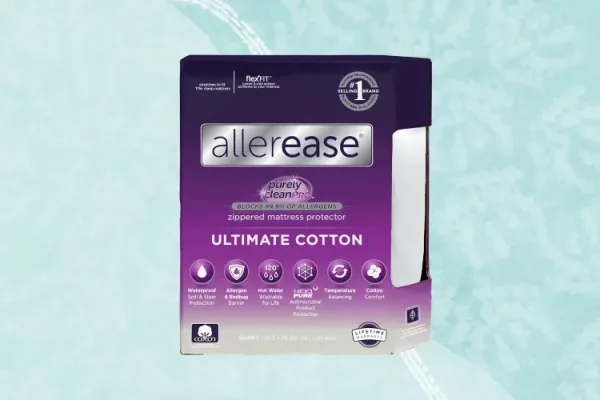
Allergy sufferers will appreciate the AllerEase Ultimate Cotton Mattress Protector, priced at $46. This cover is certified asthma- and allergy-friendly by the Asthma and Allergy Foundation of America (AAFA) and has been lab-tested by entomologists. Its 100% cotton top is breathable and moisture-wicking, and the six-sided waterproof design blocks 99% of particles. It comes with a lifetime warranty, though it may not fit thicker mattresses.
Specialized Protection: From Pillows to Cribs
The Mattress Safe Ultimate Mattress Encasement, at $92, is a premium option that has been tested against bed bugs and dust mites. It features a waterproof polyurethane lining, is fire-retardant, and includes a sewn-in loop with a zip-tie for extra security. It fits mattresses up to 22 inches deep and comes with a 10-year warranty, though production takes 10 to 15 days.
For pillows, the SureGuard Pillow Protectors (set of two, $34) use Invisi-Zip technology to seal out bed bugs. They are made from 100% cotton terry, are waterproof and hypoallergenic, and are OEKO-TEX STANDARD 100 certified. They come in various sizes and are backed by a 10-year warranty.
Box springs are another common hiding spot. The Linenspa Box Spring Encasement, at $27, offers 360-degree protection with a zippered closure that fits box springs up to 12 inches deep. It's made from waterproof polyester, is noiseless, and comes in a wide array of sizes, including split queen.
Finally, for cribs, the Guardmax Crib Mattress Protector at $25 is fully waterproof on all sides and fits crib mattresses up to 7 inches deep. It features a smooth zipper with a Velcro tab for security, is hypoallergenic, and comes with a 10-year warranty. The manufacturer will replace it free of charge if it breaks.
What to Look For and How to Use
When selecting a cover, consider the material. Polyester is durable and water-resistant, while cotton is more breathable but not inherently bed bug-proof. For the best defense, choose a full encasement with a high-quality zipper and locking enclosure. Braun advises, “Looking for one with a high-quality zipper and locking enclosures is recommended to prevent them from entering the mattress. Higher-quality covers often contain strip seals that protect the zipper and ensure a tight seal.”
If you're dealing with an active infestation, a cover is just one step. Braun notes that foggers and bug bombs are largely ineffective due to resistance. Instead, he recommends a combination of extreme heat or cold, thorough cleaning and vacuuming, and professional EPA-approved pesticides. Baking soda is not effective, and rubbing alcohol only works on direct contact.
Ultimately, investing in a quality mattress encasement is a proactive measure that can save you from costly replacements and provide peace of mind. Whether you prioritize waterproofing, allergen protection, or budget, there's an option that fits your needs.
Comments 0