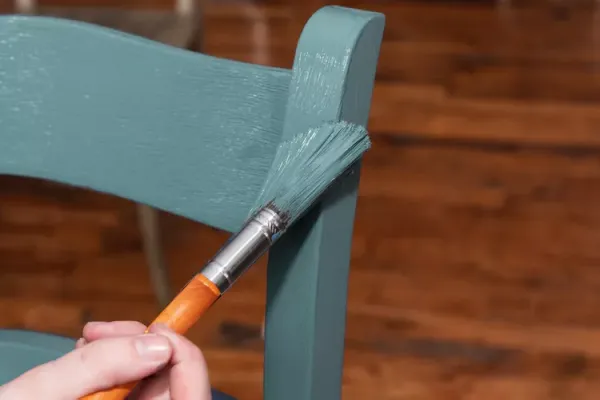
When refreshing a piece of furniture, the choice of paint can determine both the look and longevity of the project. With options ranging from water-based latex to oil-based enamels, each type offers distinct characteristics in finish, durability, and application. Understanding these differences helps homeowners and DIY enthusiasts select the right product for their specific piece, whether it's a frequently used dining table or a decorative accent chair.
Latex paint, widely available at hardware stores and home improvement centers, is a common starting point for many projects. It comes in various sheens—flat, satin, semigloss, and gloss—each with trade-offs between appearance and resilience. Flat finishes offer a matte look but lack durability, making them unsuitable for high-use items. Satin and eggshell provide a subtle sheen with better washability, while semigloss and gloss increase durability due to higher resin content, though they require more meticulous surface preparation to avoid highlighting imperfections. Latex paint is affordable, typically costing between $15 and $50 per gallon, and is produced by major brands such as Benjamin Moore, Sherwin-Williams, Behr, Valspar, and Farrow & Ball. However, it may not withstand heavy use and can be prone to chipping, so a protective top coat is often recommended.
For those seeking a matte, vintage-inspired finish, chalk paint has gained popularity, especially for refinishing antique furniture. This water-based paint delivers a thick, buildable texture that can be sanded for a distressed look. It dries quickly, which is convenient, but brush strokes may become visible if touched up after drying. Chalk paint adheres well to most surfaces and is available from brands like Annie Sloan, Rust-Oleum, Joanna Gaines' line with KILZ, and Valspar. Priced between $23 and $40 per quart, it is more expensive than latex and offers limited color options, but it provides a smooth, matte finish without the need for priming.
Milk paint, another water-based option, is known for its antiquing and weathering effects. Made from milk protein and an activator like lime or borax, it is nontoxic and often sold in powder form, allowing users to mix only what they need. It dries quickly and can be used on most surfaces, though achieving consistent saturation can be challenging, and a bonder may be required to prevent chipping. Prices range from $20 to $200 per gallon, with brands like Miss Mustard Seed's, Real Milk Paint Co., Rust-Oleum, and Old Fashioned Milk Paint leading the market.
Durable Choices for Heavy Use
For furniture that endures daily wear, oil-based paint offers exceptional durability. It adheres well to most surfaces, is self-leveling, and resists chipping and scratching. However, it has high volatile organic compound (VOC) levels, requiring good ventilation, and is banned in some areas. It also takes up to 24 hours to dry and requires mineral spirits for cleanup. A gallon typically costs between $30 and $60, with Behr and Valspar among the manufacturers.
Alkyd paint, a water-based formula that dries to an oil-like finish, is increasingly favored for its ease of application and durability. It does not show brush strokes and does not require a top coat, though it must be applied over a properly sanded surface (220-grit). It comes in various sheens, including matte and semigloss, and is resistant to damage and humidity. Priced between $45 and $85 per gallon, it is more expensive but offers a chip-resistant finish. Brands such as Behr, Benjamin Moore, Dutch Boy, and Valspar produce alkyd paints.
Application Tips and Pitfalls
Beyond choosing the paint type, application methods can affect the outcome. For oil-based paints, natural bristle brushes are recommended, while synthetic brushes work better with water-based paints. Rollers provide even coverage but less control, while sprayers, such as HVLP or airless models, are ideal for larger projects to avoid brush marks. For those wishing to skip sanding, chalk and milk paints are the most forgiving, though priming is generally advised for best adhesion.
Some paints are less suitable for furniture. Spray paint, for example, is not recommended for porous surfaces as it can leave uneven patterns; it is better reserved for plastic items. Latex paint, while popular, is primarily designed for walls and may not hold up on high-touch furniture unless a semigloss or gloss finish and a protective top coat are used.
Ultimately, the right paint depends on the piece's function and desired aesthetic. By weighing factors like durability, cost, and application ease, DIY painters can achieve a professional-looking finish that lasts.
Comments 0