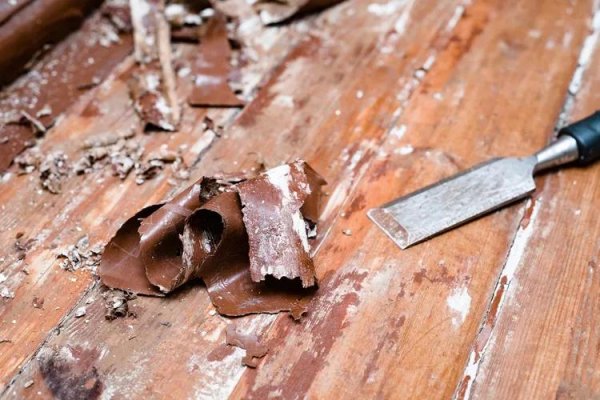
Removing old paint from wood furniture or trim can be a labor-intensive task, but choosing the right method can make the job manageable. Whether you're restoring a family heirloom or prepping a piece for a fresh coat, understanding the options—from chemical strippers to heat tools—is essential. Each technique has its own trade-offs in time, effort, and safety, particularly when dealing with older paint that may contain lead.
For wood that was painted before 1978, there's a critical health consideration: sanding can release lead dust, which is hazardous. In such cases, experts recommend avoiding sanding altogether and instead using a method that doesn't create airborne particles. The U.S. Environmental Protection Agency (EPA) provides guidelines for lead-safe renovation, repair, and painting, emphasizing the importance of containment and proper cleanup.
Chemical Strippers: The Go-To Choice
Chemical paint strippers are widely used because they soften paint, allowing it to be scraped off without generating dust. Traditional formulas often contain dichloromethane, a potent solvent that requires careful handling. Newer, less caustic formulations and natural citrus-based strippers offer safer alternatives, though they may take longer to work. When using any chemical stripper, always work in a well-ventilated area—ideally outdoors—and wear gloves, safety glasses, a mask or respirator, an apron, and protective clothing. Avoid open-toed shoes and shorts.
The application process is straightforward: brush on a thick, even coat in one direction, following the manufacturer's instructions. Wait until the paint begins to bubble, then scrape it off with a metal putty knife—plastic knives can melt. For multiple layers, reapply the stripper as needed. After removing the bulk of the paint, clean the surface with mineral spirits and a cloth. For stubborn remnants, use fine steel wool dipped in mineral spirits. Once dry, a light sanding with fine-grit paper will smooth the wood for refinishing.
Sanding: Simple but Dusty
Sanding is a mechanical method that works by abrasion. Start with coarse 80-grit sandpaper to remove the initial coat, then progress to 150-grit and finally 220-grit for a smooth finish. A hand sander or power sander can speed up the process, but caution is needed to avoid gouging the wood. Between grits, dust off the surface. Finish by wiping with a damp cloth or tack cloth to remove all particles. However, sanding is not recommended for pre-1978 paint due to lead risk.
Heat and Steam: No Chemicals, But Caution Needed
Heat guns soften paint without chemicals, making them a fast option. Hold the nozzle a couple of inches from the surface and move it back and forth until the paint bubbles, then scrape it off. Afterward, clean the wood with denatured alcohol or mineral spirits. The downside is that heated paint can aerosolize into harmful vapors, and there's a fire risk if the wood gets too hot. Steam strippers use water vapor to soften paint, avoiding dust and fumes, but they introduce moisture that can warp or damage wood. Hold the steamer about an inch from the surface for a few seconds until bubbles form, then scrape. Work in small sections, and sand smooth afterward.
Infrared devices offer a low-and-slow heating method that's particularly useful for lead paint because it doesn't reach temperatures high enough to vaporize lead. The process is similar to steam: heat a small area until the paint bubbles and slightly smokes (but not too long, or the wood may burn), scrape, and repeat. After all paint is removed, sand and clean with a tack cloth.
Choosing the Right Approach
For most projects, you only need to remove loose, cracking, or peeling paint before repainting. If the existing paint is intact, you can paint over it, though sanding a glossy surface helps new paint adhere. However, if you plan to stain the wood, all old paint or varnish must be stripped so the stain can penetrate. The fastest and easiest method for full removal is a chemical or citrus stripper paired with a paint scraper.
Regardless of the method, always prioritize safety. Work in a ventilated space, wear protective gear, and if you suspect lead paint, choose a technique that minimizes dust and fumes. With the right tools and precautions, stripping paint from wood can be a rewarding DIY project that restores the natural beauty of the piece.
Comments 0