When it comes to painting a home's interior or exterior, the choice between a paint sprayer and a paint roller can significantly affect the outcome, the time invested, and the overall cost. Each method has distinct advantages and drawbacks, and the right pick often hinges on the specific conditions of the project—whether the space is occupied, the surface texture, and your experience level.
Paint sprayers are known for their speed and ability to coat rough or detailed surfaces evenly, but they require extensive masking and a higher upfront investment. Paint rollers, on the other hand, are more affordable, easier to control, and demand less preparation, though they are more labor-intensive. Understanding these trade-offs can help you decide which tool fits your next task.
When a Sprayer Makes Sense
Spraying is often the go-to for exteriors or for interiors that are empty, such as during new construction or major remodeling. In an empty room, you can spray with near-freedom, masking only essential areas like plumbing stub-outs, electrical boxes, and windows. This approach is typically faster than rolling, especially when the room is a blank canvas.
For exteriors, a clear perimeter—free of landscaping, decks, playsets, or other structures—can cut down preparation time. However, you'll still need to lay drop cloths directly below the walls to catch overspray. Sprayers also excel at texturizing walls, especially when using a hopper-style gun attached to a compressed air hose. This method applies texture quickly and dries fast, whereas rolling texture requires thinning drywall compound with water in a 4:1 ratio and then rolling it on like paint—a slower process if you have the right equipment.
Sprayers are also ideal for intricate details like crown molding, popcorn ceilings, built-up baseboards, cornices, dentils, and masonry. The spray reaches narrow crevices and lays down a thin, even coat, avoiding the pooled paint and drips that can occur with brushes or rollers. But if the detail work involves multiple colors, a brush is the better choice, as spraying is only practical when all surfaces are the same color.
If you don't mind the extensive taping and masking that spraying demands, or if you have a partner to split the prep work, a sprayer can be a powerful tool. One person can handle the taping while the other sprays, making the process more manageable.
Why Rollers Remain a Reliable Default
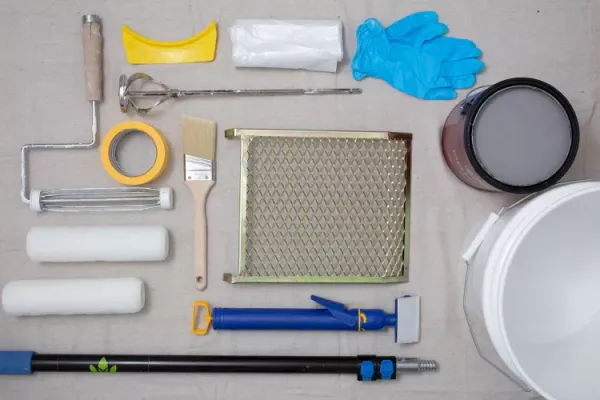
For most do-it-yourselfers, a paint roller is the default method, both indoors and out. It's flexible, cost-effective, and lays down paint efficiently with minimal coats. The basic setup—roller, roller cover, paint tray, and tray liner—costs less than $50, a fraction of the price of even an entry-level paint sprayer, which starts around $300. Additionally, rolling allows you to pause and resume your project easily, unlike spraying, which typically consumes an entire day.
Rollers are more forgiving on surfaces that aren't perfectly clean. The initial coat goes on thick, and most surfaces need only two coats, though problem areas may require three. Rolling also produces a more consistent, even finish, with less risk of patchiness compared to spraying.
For those new to painting, a roller is a safer bet. Professionals agree that rolling yields a thick paint layer and excellent color consistency. Spraying, while seemingly easy, has a learning curve; if you've never used a sprayer, a major project may not be the best time to learn.
Masking is another key factor. With a roller, you only need to mask out specific areas, like the ceiling when painting walls, and a tape dispenser can help create straight lines. With a sprayer, every inch you don't want painted must be covered, or it will get coated.
Budget-conscious painters will also notice that rollers waste less paint. Spraying atomizes paint, causing a significant amount to drift away, while rolling puts nearly every drop on the surface, with only water content evaporating.
For those who want the best of both worlds, professional painters sometimes use a technique called back-rolling: spraying the paint on the wall, then quickly rolling it down to fuse the droplets together. This combines the speed of spraying with the evenness of rolling, though it requires both tools.
Ultimately, the decision comes down to your project's specifics. If you're painting an empty interior or a textured exterior and can handle the prep, a sprayer may save time. If you're working in an occupied home, on a budget, or prefer a more forgiving process, a roller is likely the better fit.
Comments 0